
Agriculture
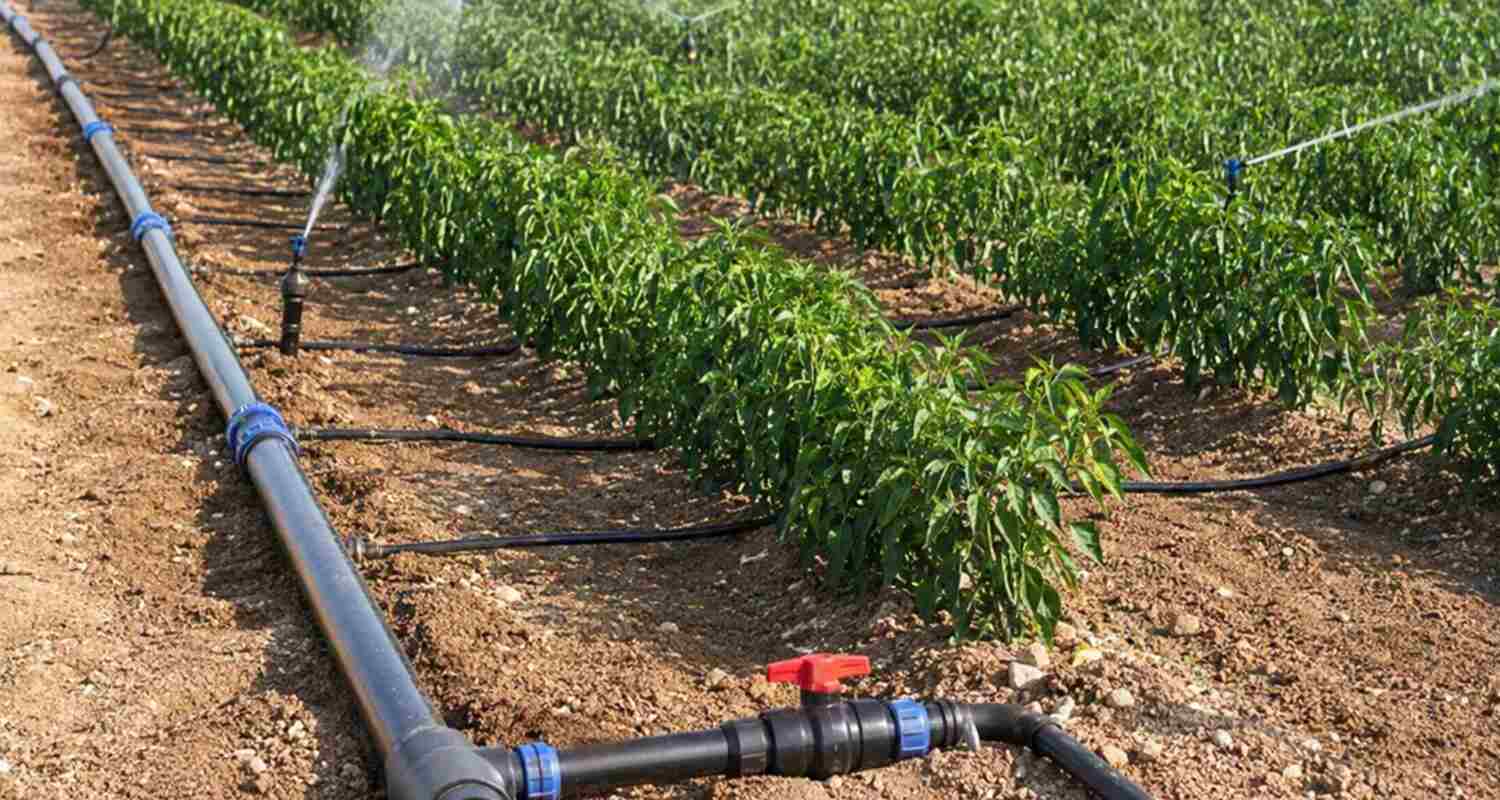
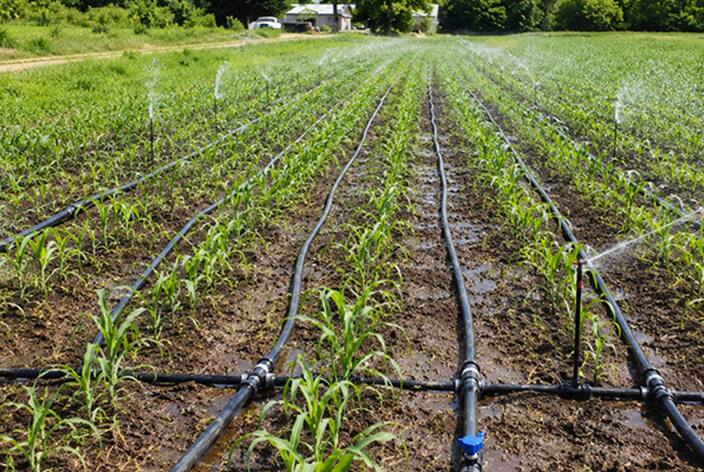
In scenarios such as farmland irrigation, greenhouse cultivation, and orchard drip irrigation, water delivery pipelines often involve long laying distances, complex terrain, frequent movement, or seasonal reeling and storage. HDPE coil pipe, with its excellent flexibility, strong weather resistance, minimal joints, and outstanding freeze resistance, has become an indispensable water conveyance material in modern water-saving irrigation systems.
Send EmailRecommended Products
Application of HDPE Coil Pipe in Agricultural Irrigation:
In scenarios such as farmland irrigation, greenhouse cultivation, and orchard drip irrigation, water delivery pipelines often involve long laying distances, complex terrain, frequent movement, or seasonal reeling and storage. HDPE coil pipe, with its excellent flexibility, strong weather resistance, minimal joints, and outstanding freeze resistance, has become an indispensable water conveyance material in modern water-saving irrigation systems.
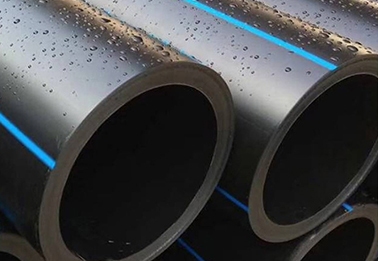
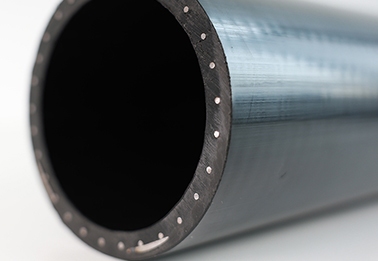
HDPE pipe for irrigation is supplied in long continuous lengths—a single coil can reach hundreds or even thousands of meters—with no intermediate joints, fundamentally eliminating the leakage risks caused by multiple joints in traditional pipes. The pipe is highly flexible with a small bending radius, allowing it to easily conform to natural terrain and bypass obstacles in the field, making it particularly suitable for irregular plots such as hillsides and terraced fields. HDPE material is resistant to UV aging, providing a service life of more than 10 years when laid above ground. It also offers excellent freeze resistance—any residual water inside the pipe will not crack it when freezing in winter.
Typical applications: In drip irrigation and micro-sprinkler systems, HDPE coil pipe is often used as field laterals or manifolds, delivering water from the mainline to the root zone of each crop row. In mobile sprinkler irrigation machines, HDPE coil pipe serves as the water delivery hose that automatically reels out as the sprinkler moves forward, enabling large-field automated irrigation. In greenhouses, it connects drip tapes or fogger nozzles, offering flexible layout and resistance to humidity and chemical corrosion from fertilizers and pesticides. In mountain orchards, HDPE coil pipe can be laid along slopes and combined with storage tanks to achieve gravity-fed drip irrigation. It can also be used as a temporary water supply line for drought relief or construction, being quickly retrieved after use.
Important considerations: When selecting HDPE coil pipe, the pressure rating (typically 0.4–1.0 MPa) should be determined based on the working pressure. Lower pressure ratings are acceptable for drip system laterals, while the inlet hose for traveling reel sprinklers requires a higher pressure rating. During installation, avoid dragging the pipe over sharp rocks or hard objects to prevent scratching. For buried applications, the trench should be smooth and backfilled with fine soil; for above-ground use, the pipe should be anchored to prevent movement due to thermal expansion/contraction. Connections can be made by socket fusion or quick-fit fittings; open flames are strictly prohibited. For long-term outdoor storage, the pipe should be covered to protect against UV-accelerated aging.
With its unique advantages of joint-free construction, freeze resistance, flexibility, and easy handling, HDPE coil pipe provides an economical, durable, and highly adaptable water delivery solution for agricultural irrigation, playing an increasingly important role in water-saving agriculture and modern horticulture.