
Energy
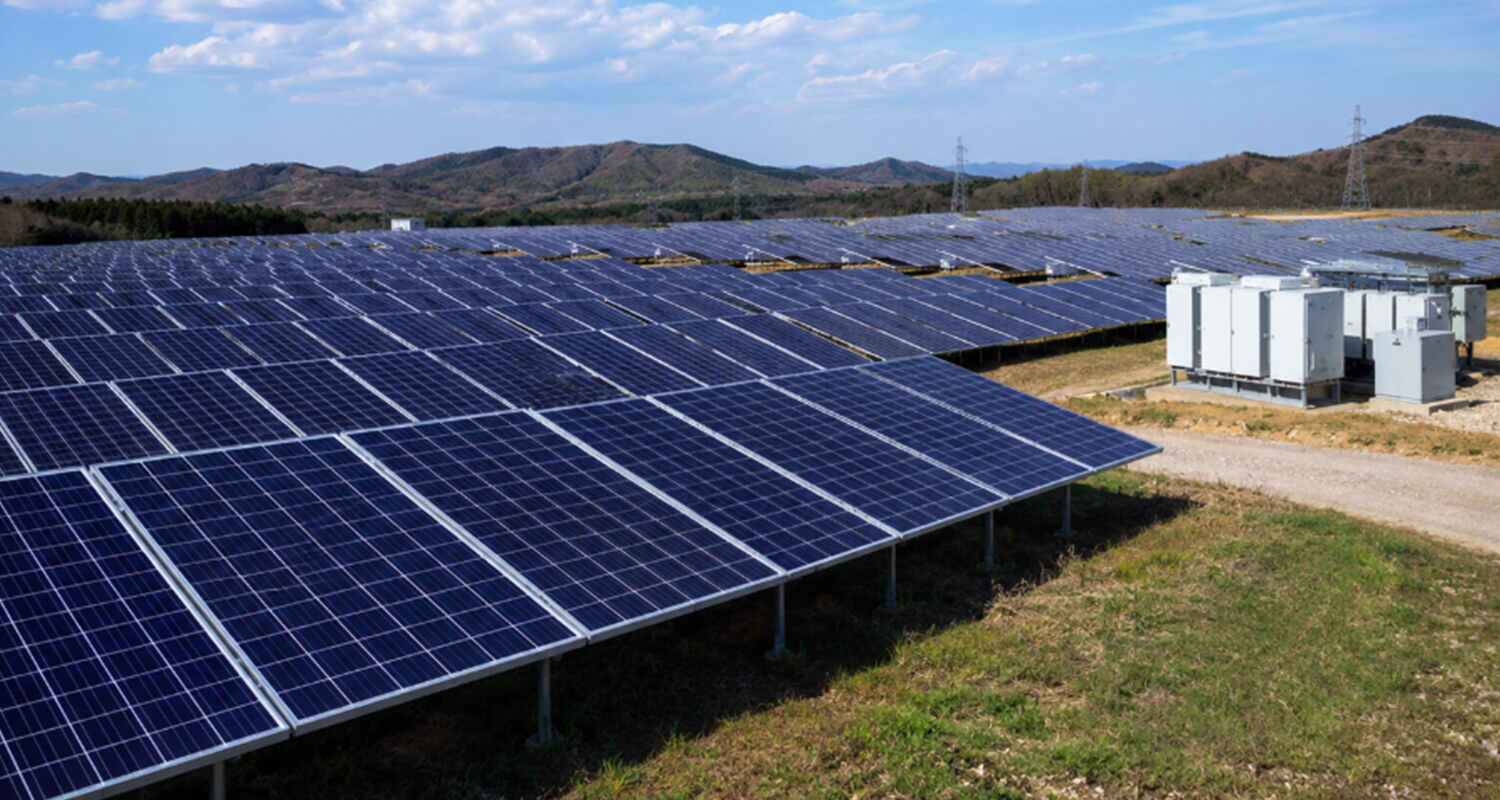
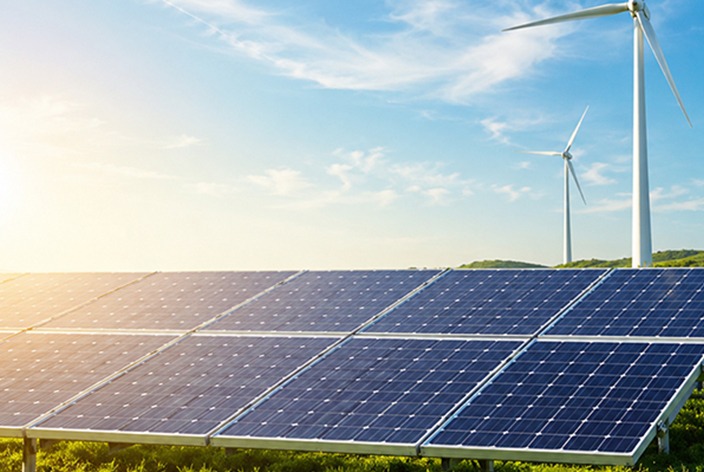
In photovoltaic (PV) projects, from cable routing and structural support to chemical conveyance, the choice of piping material directly affects power plant safety and operational costs. Polyvinyl chloride (PVC) pipe, with its excellent electrical insulation, corrosion resistance, light weight, durability, and high cost-effectiveness, is playing an important role in several aspects of the solar energy sector.
Send EmailRecommended Products
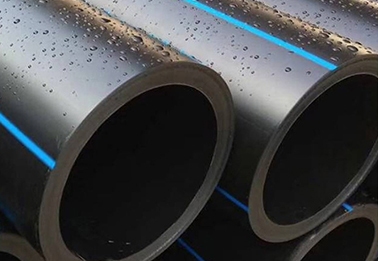
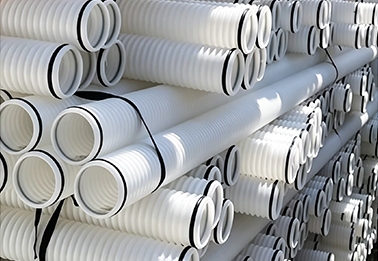
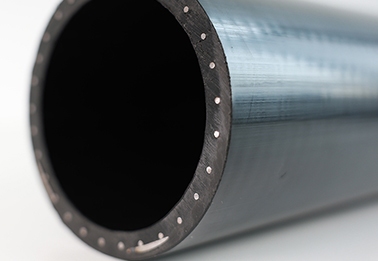
Application of PVC Pipe in Photovoltaic Power Generation:
In photovoltaic (PV) projects, from cable routing and structural support to chemical conveyance, the choice of piping material directly affects power plant safety and operational costs. Polyvinyl chloride (PVC) pipe, with its excellent electrical insulation, corrosion resistance, light weight, durability, and high cost-effectiveness, is playing an important role in several aspects of the solar energy sector.
Key advantages: PVC pipe offers outstanding electrical insulation, effectively preventing leakage currents and ensuring electrical safety in PV plants. Its corrosion resistance withstands outdoor acid/alkaline environments and chemical media, providing a long service life. The material is inherently flame retardant, reducing fire spread and improving system fire safety. In addition, PVC pipe is lightweight, easy to install, and low in overall cost, making it especially suitable for large-scale distributed PV projects.
Typical applications: In PV power plants, PVC pipe performs several key functions:
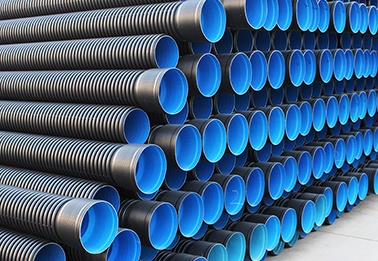
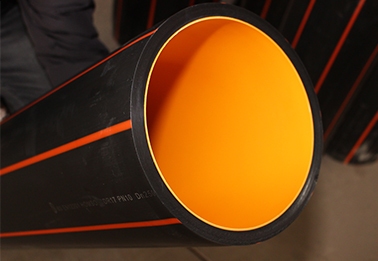
• Cable protection conduit: Used for buried or above-ground routing of DC/AC cables, protecting them from mechanical damage, rodents, and environmental corrosion, ensuring safe power transmission from PV modules to inverters and step-up substations.
• PV mounting structures and floats: Modified PVC or CPVC materials are used to manufacture lightweight support purlins, as well as floats for floating PV systems, replacing traditional metal structures to reduce weight and avoid rust. On rooftop PV systems, PVC bases can be heat-welded to waterproofing membranes for penetration-free attachment.
• Chemical delivery: In PV cell manufacturing plants, Clear-PVC double containment piping systems are used to safely transport highly corrosive chemicals such as hydrofluoric acid (HF) and hydrochloric acid (HCl), meeting high purity and safety requirements.
• Cooling circulation lines: PVC pipes convey cooling water to actively cool PV modules. Studies show this can effectively maintain thermal stability and improve power generation efficiency.
• Water supply/drainage and frost protection: Used for cold water lines and drains in solar thermal systems, as well as encasing piles to prevent frost heave in permafrost regions.
Important considerations: Since PV plants are mostly outdoors, ultraviolet (UV) radiation is a major threat to PVC pipes. Pipes used in exposed environments must be UV-stabilised. Without UV protection, pipes can become brittle and crack within 3–5 years, increasing leakage risks and maintenance costs. Additionally, preference should be given to lead-free and plasticiser-free environmentally friendly PVC pipes that comply with green energy standards, ensuring safety from the source. During installation, proper joining methods must be followed, and the integrity of the piping system should be regularly inspected.
With its electrical insulation, corrosion resistance, light weight, economy, and adaptability to multiple scenarios, PVC pipe provides a safe and reliable piping solution for photovoltaic power generation, playing an increasingly important role in new energy infrastructure.