
Gas
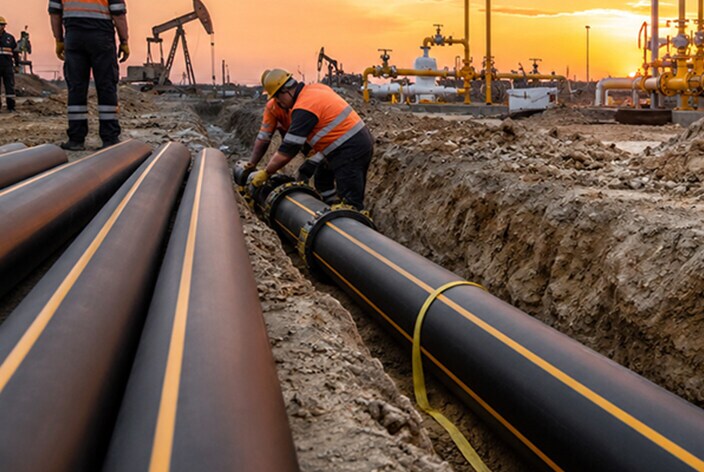
In the field of natural gas, liquefied petroleum gas, and industrial fuel gas transmission, HDPE pipe is gradually replacing traditional steel and cast iron pipes, becoming the preferred choice for medium and low-pressure gas systems.
Send EmailRecommended Products
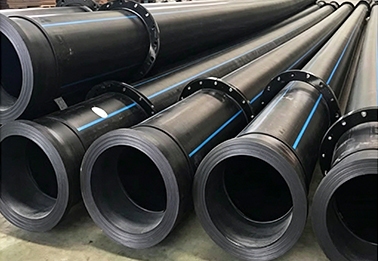
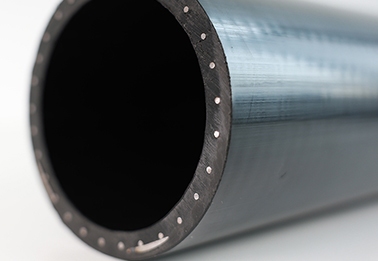
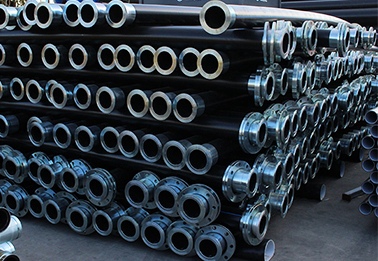
Application of HDPE Pipe in Gas Transmission:
In the field of natural gas, liquefied petroleum gas, and industrial fuel gas transmission, HDPE pipe is gradually replacing traditional steel and cast iron pipes, becoming the preferred choice for medium and low-pressure gas systems.
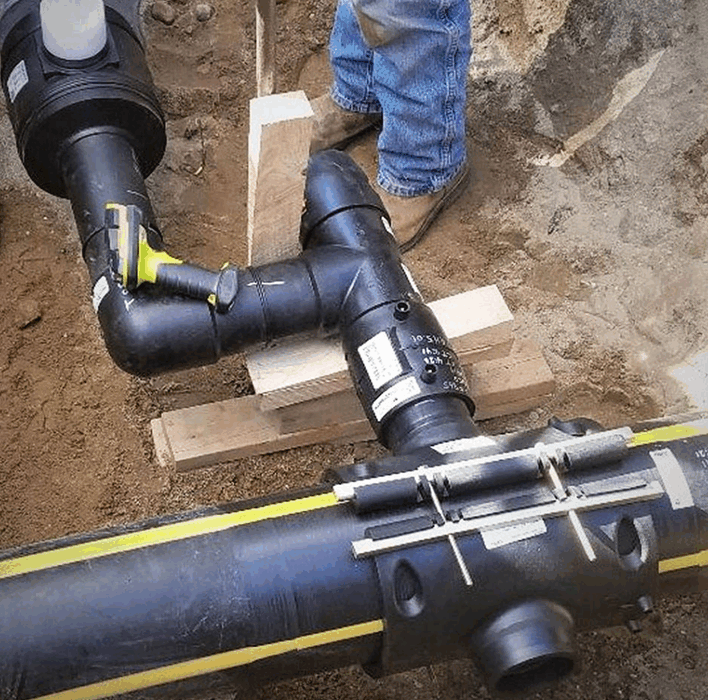
Key advantages: HDPE pipe offers excellent corrosion resistance – it does not rust like metal pipes or suffer from electrochemical attack by soil, eliminating the need for costly anti-corrosion coatings. Its flexibility allows it to bend around obstacles, reducing the number of joints. Butt fusion or electrofusion welding creates joints that are even stronger than the pipe body, fundamentally eliminating leak risks. In addition, the smooth inner wall results in low frictional resistance and low energy consumption over long-term operation. Being only about one-seventh the weight of steel pipe, it greatly reduces transportation and installation difficulty.
Typical applications: Urban medium and low-pressure gas networks, branch gas lines in residential areas, industrial plant gas distribution pipelines, coal mine methane extraction systems, and buried pipelines in natural gas gathering stations. The flexibility and integrity of HDPE pipe are particularly advantageous in trenchless installation methods, significantly reducing the need for open-cut excavation.
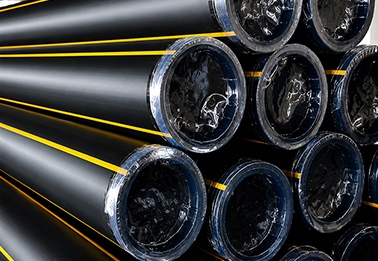
Important considerations: HDPE pipe is sensitive to ultraviolet (UV) radiation. If stored outdoors for long periods, it must be shielded or made of a black compound. The applicable temperature range is generally –20 °C to 40 °C; high-temperature or extremely low-temperature applications require careful evaluation. For high-pressure service or when crossing beneath important structures, a detailed engineering assessment is necessary, and a metallic locating wire should be installed for future positioning. In addition, storing HDPE pipe near open flames or spark-producing areas is strictly prohibited, and electrostatic discharge measures must be taken during construction.
With proper design and strict adherence to installation standards, HDPE pipe provides a safe, economical, and long-lasting solution for gas transmission, thanks to its corrosion resistance, leak-free joints, and ease of installation.