
Marine
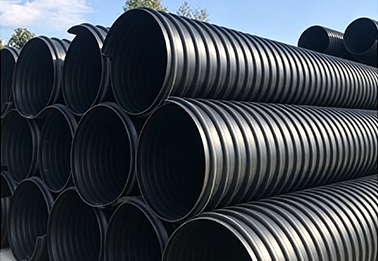
In projects such as river dredging, harbor and waterway maintenance, land reclamation, and tailings pond dredging, high-concentration slurries, sand-water mixtures, or tailings need to be transported over long distances to discharge sites. High-density polyethylene (HDPE) dredging pipe, with its excellent wear resistance, corrosion resistance, adjustable buoyancy, and easy installation, has become an ideal alternative to traditional steel floating pipes and land-based discharge lines.
Send EmailRecommended Products
HDPE Dredging Pipe in Dredging Engineering:
In projects such as river dredging, harbor and waterway maintenance, land reclamation, and tailings pond dredging, high-concentration slurries, sand-water mixtures, or tailings need to be transported over long distances to discharge sites. High-density polyethylene (HDPE) dredging pipe, with its excellent wear resistance, corrosion resistance, adjustable buoyancy, and easy installation, has become an ideal alternative to traditional steel floating pipes and land-based discharge lines.
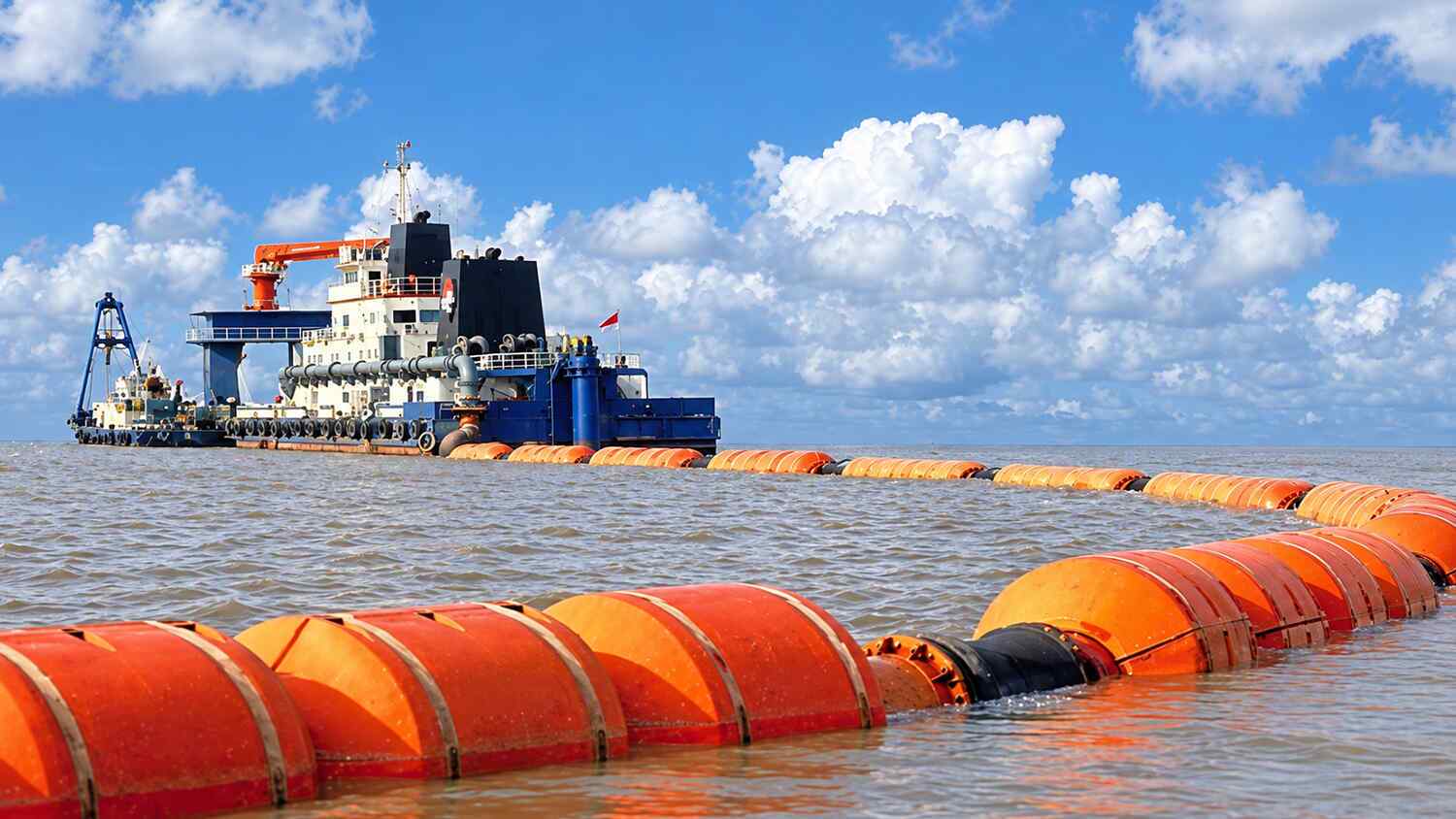
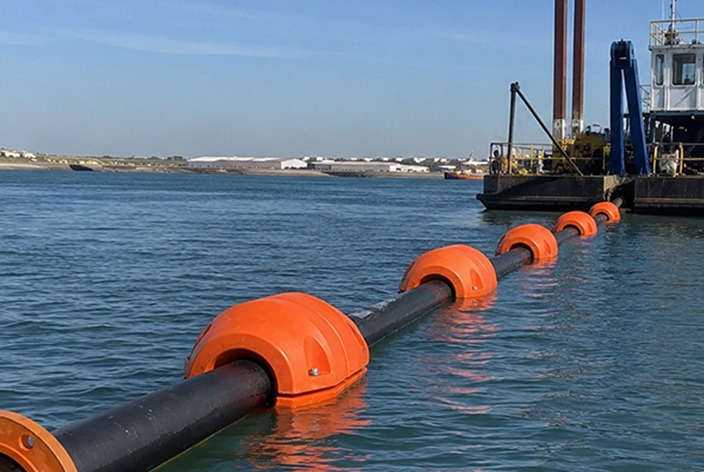
HDPE dredging pipe offers outstanding abrasion resistance, with wear resistance more than four times that of ordinary steel pipe. It is especially suitable for conveying erosive slurries containing high concentrations of quartz sand or slag. The pipe is resistant to seawater and a wide range of chemicals, requiring no external anti-corrosion coating. It can be used long-term in marine, saline, and acidic/alkaline environments, with a service life exceeding 30 years. HDPE has a density slightly lower than water, so with the addition of floats it can form self-floating dredging pipes that do not require large floating vessels. The pipe rises and falls automatically with water level changes, greatly simplifying offshore pipeline installation. The material is flexible, capable of absorbing bending stresses from waves, currents, and vessel movements without cracking. Its smooth inner wall ensures high hydraulic efficiency and reduced pumping energy consumption.
In harbor and waterway dredging, HDPE self-floating pipes are used to transport sand and sediment from cutter suction dredgers to distant reclamation areas or offshore disposal points. In river and lake desilting, they serve as shore-side or river-crossing pipelines to convey high-moisture sludge to treatment facilities. In marine land reclamation, large-diameter HDPE slurry pipes perform long-distance transport of sand-water mixtures. In mine tailings management, HDPE abrasion-resistant pipes carry tailings from the concentrator to the tailings pond, or are used for pond dredging and recovery.
With its high abrasion resistance, corrosion resistance, convenient self-floating installation, and low overall cost, HDPE dredging pipe is playing an increasingly important role in dredging projects worldwide, providing a reliable solution for efficient and environmentally friendly slurry transport.