
Mining
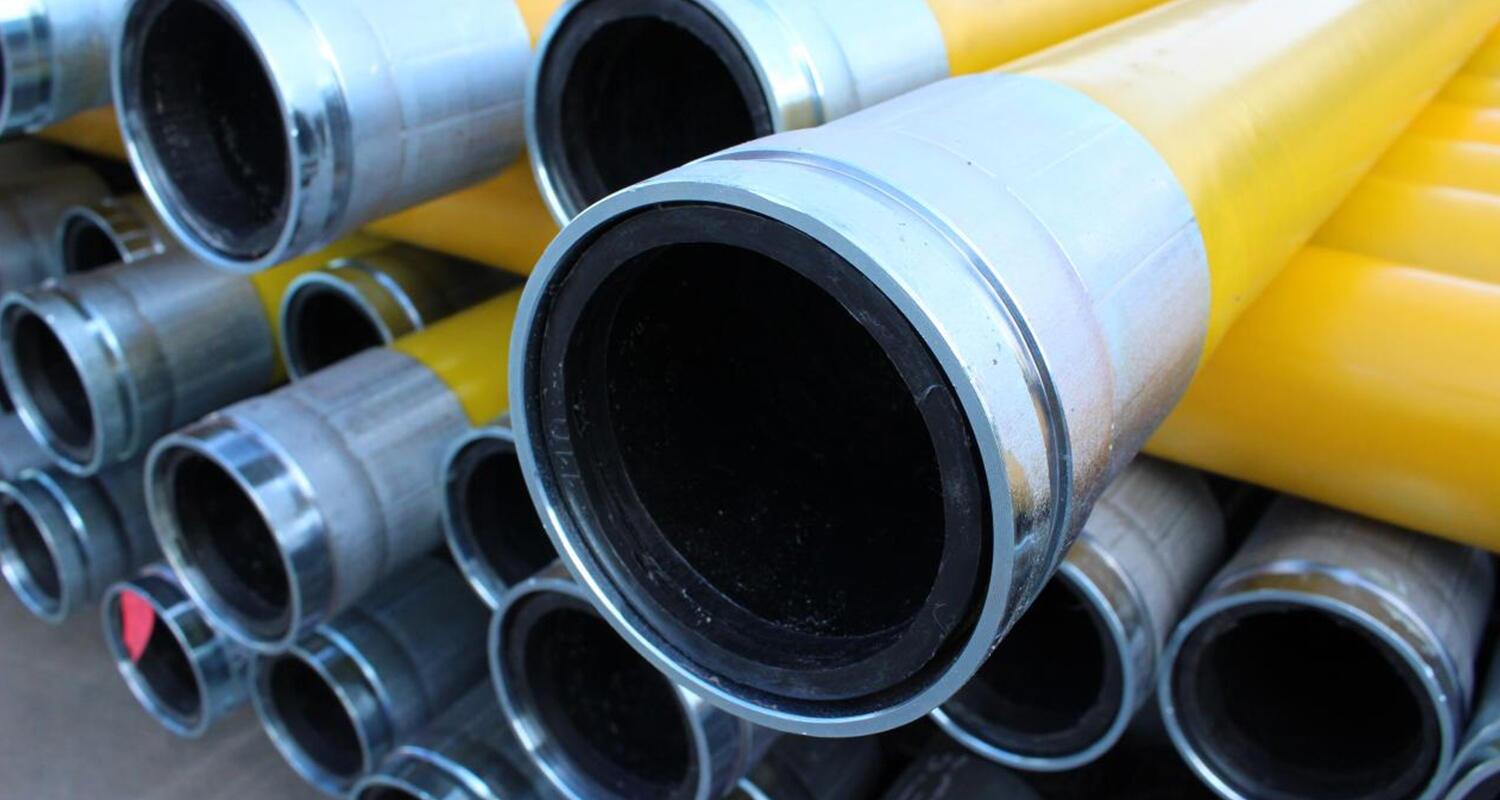
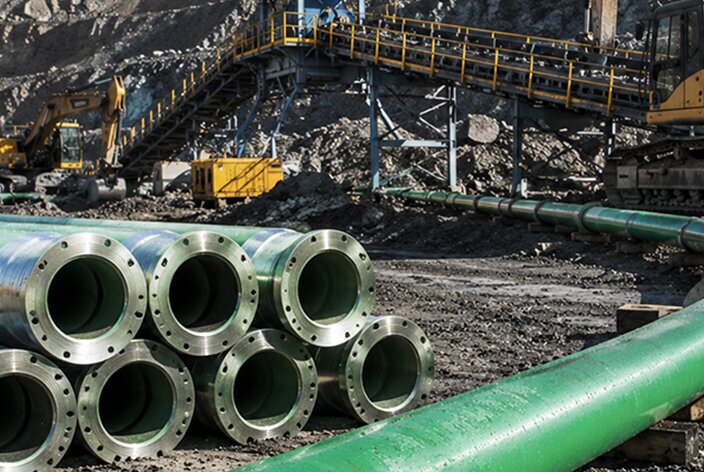
In underground operations of coal and non-coal mines, the safety and durability of piping systems are critical. High-density polyethylene (HDPE) mining pipe is gradually replacing traditional metal pipes – a trend of “plastic instead of steel” – and has become the ideal choice for gas drainage, water supply and drainage, ventilation, and shotcreting systems in mines.
Send EmailRecommended Products
Application of HDPE Mining Pipe in Mining Operations:
In underground operations of coal and non-coal mines, the safety and durability of piping systems are critical. High-density polyethylene (HDPE) mining pipe is gradually replacing traditional metal pipes – a trend of “plastic instead of steel” – and has become the ideal choice for gas drainage, water supply and drainage, ventilation, and shotcreting systems in mines.
HDPE mining pipe is specifically designed for harsh mining environments and offers multiple outstanding properties. First, it is flame-retardant and anti-static: The anti-static and flame-retardant additives are uniformly distributed throughout the pipe body, and their performance does not degrade over time. The pipe fully complies with the MT558.1-2005 standard for the coal industry, allowing safe use in underground explosive and flammable atmospheres. Second, excellent wear and corrosion resistance: Comparative tests show that the abrasion resistance of HDPE pipe is four times that of ordinary steel pipe. It is particularly suitable for conveying high-sulfur water or water containing calcium and magnesium ions, greatly reducing costs for corrosion prevention and scale removal. In addition, HDPE pipe weighs only one-eighth of steel pipe, which not only facilitates transportation but also significantly reduces labor intensity in underground work. Its flexibility effectively absorbs ground settlement or blasting vibrations, with an elongation at break exceeding 400%, thus avoiding the brittle fracture often seen in rigid pipes.
HDPE mining pipe is widely used in many core aspects of mining. For gas drainage, it serves as a gas drainage pipe, used for underground gas extraction and borehole sealing, fundamentally improving coal mine safety. For water supply and drainage, it can be used as feed pipe for shearers and roadheaders, as well as for underground drainage and sewage pipes, playing an important role as mine water supply and drainage pipe. It is also used for positive-pressure and negative-pressure ventilation as the main ventilation duct, for shotcreting to convey concrete slurry for roadway support, and even in some applications for coal slurry transportation, covering many stages from extraction to transport.
Owing to its corrosion resistance and non-scaling properties, the overall service life of HDPE mining pipe is much longer than that of steel pipe, reducing downtime and waste caused by frequent replacement, resulting in significant comprehensive economic benefits.
With its flame-retardant and anti-static properties, excellent wear and corrosion resistance, outstanding toughness, and economic advantages, HDPE mining pipe has become an important technical guarantee for safe and efficient modern mining operations, injecting new momentum into the green and sustainable development of the mining industry.